Build Your Peaceful Retreat With Tall-Potted Plants That Double as Privacy Protectors
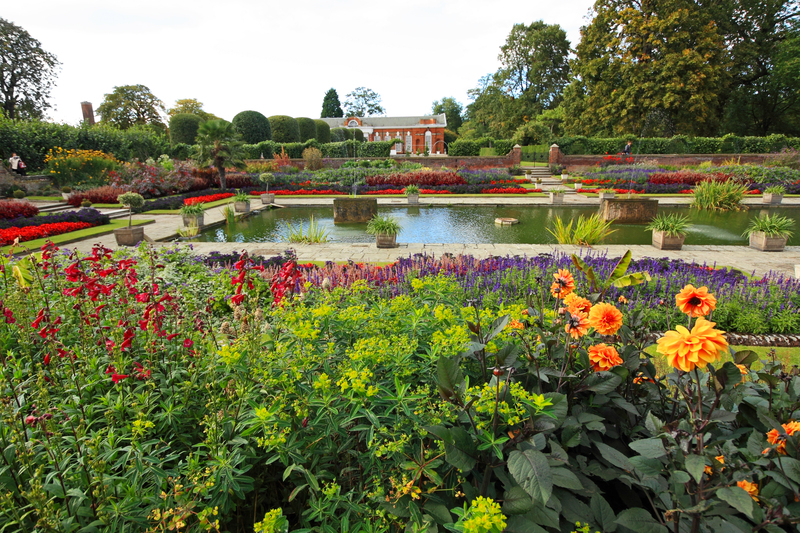
Build Your Peaceful Retreat With Tall-Potted Plants That Double as Privacy Protectors
You step outside with a mug of tea. The air is cool, a little damp, and the city hum fades under a soft rustle of leaves. A slim screen of bamboo, bay, and star jasmine wraps your patio in green, and--just like that--you feel off the grid. No fences. No drama. Just a living wall that muffles sound, hides curious sightlines, and, truth be told, looks rather gorgeous. That's the power of tall-potted plants designed for privacy. If you're ready to build your peaceful retreat with tall-potted plants that double as privacy protectors, you're in the right place.
This comprehensive guide blends design, horticulture, and a little bit of neighbourly diplomacy. We'll cover the best tall plants for pots, smart container choices, UK-specific rules about screening, the nitty-gritty of irrigation, and real costs--plus a step-by-step plan you can follow this weekend. Clean, clear, calm. That's the goal.
Table of Contents
- Why This Topic Matters
- Key Benefits
- Step-by-Step Guidance
- Expert Tips
- Common Mistakes to Avoid
- Case Study or Real-World Example
- Tools, Resources & Recommendations
- Law, Compliance or Industry Standards (UK-focused)
- Checklist
- Conclusion with CTA
- FAQ
Why This Topic Matters
Our homes have had to do more in recent years: offices, playrooms, sanctuaries, sometimes all at once. Outdoor space--balcony, terrace, courtyard, or petite back garden--became the pressure valve. Yet many of us feel exposed outside: overlooked windows, upstairs balconies, busy roads, or that one neighbour who always seems to be on a call right where you sit. To build your peaceful retreat with tall-potted plants that double as privacy protectors is to take back control of sightlines, sound, and mood, without the permanence (or planning complications) of a solid fence.
Plants don't just block views. They soften hard edges, cool the microclimate, trap dust, and invite small wildlife. A tall, containerised screen is flexible--reposition as seasons change, take it with you if you move, and tailor height to your exact needs. Ever tried clearing a room and found yourself keeping everything anyway? It's like that with gardens; a potted privacy screen is an edit, not a demolition. You'll notice the difference on day one.
Quick micro-moment: It was raining hard outside that day. We slid a fibreglass planter under a dripline and--like a curtain--up went the Fargesia bamboo. The neighbour's kitchen vanished. So did the awkward wave. Instant exhale.
Key Benefits
When you build your peaceful retreat with tall-potted plants that double as privacy protectors, you unlock a surprising list of wins.
- Instant, adjustable screening: Position containers exactly where sightlines are most intrusive--especially useful for overlooked urban patios and balconies.
- Better acoustics: Dense foliage can break up and diffuse sound. While results vary, living screens commonly reduce perceived noise by a few decibels; multi-layered schemes or trellised climbers can improve this further. It's not silence, but it's softer.
- Cooling & air quality: Plants shade hot surfaces, transpire moisture, and trap particulate matter. You'll feel and breathe the difference during summer heatwaves.
- Flexibility without hard construction: No need for permission in many cases; move and adapt as your space or tenancy changes.
- Design impact: Tall-potted evergreens create a natural backdrop for furniture, lighting, and, honestly, everyday life. Your space photographs better--no lie.
- Biodiversity boost: Flowering climbers and shrubs feed pollinators; berries can support birds. A small, living kindness in a busy street.
- Wellbeing: People consistently report lower stress and improved mood around plants. You'll feel it in the shoulders and jaw first.
To be fair, a screen of containers can't rewrite physics. But it can remake your experience of home in real, daily ways.
Step-by-Step Guidance
This is the practical heart of how to build your peaceful retreat with tall-potted plants that double as privacy protectors. Follow these steps in order. Don't rush. Take a breath; enjoy the process.
1) Map your privacy goals and sightlines
- Stand or sit where you actually use the space--sofa, bistro chair, sun lounger--and note exactly what you want to hide: a window, a street, a neighbour's balcony.
- Mark angles of view with chalk or painter's tape on the floor. A simple triangle sketch helps you place containers where they'll matter most.
- Decide desired screen height: For seated privacy, 1.2-1.5 m often suffices; for standing privacy, aim for 1.8-2.2 m. Remember wind exposure increases with height.
Micro moment: A client in Walthamstow sat on her bench and pointed to the exact patch of sky where neighbours peered over. We placed two 80 cm deep planters just off-centre. Problem solved. Tea reclaimed.
2) Assess site conditions
- Sun: South and west-facing spaces roast; north-facing courtyards stay cool and dim. Match plant to light.
- Wind: Balconies channel gusts. Plants with broad leaves can shred; flexible canes (bamboo, grasses) fare better. Taller planters need ballast.
- Weight: Check structural limits for balconies and roof terraces with your building management or a structural engineer.
- Water: How easy is irrigation? A hose point? A water butt? Or are you carrying cans through the lounge--yeah, we've all been there.
3) Choose the right tall plants for pots
These are proven, UK-friendly choices for privacy in containers. Mix evergreen structure with seasonal interest.
- Clumping bamboos (Fargesia species): Tall, elegant, and non-invasive in pots. Great movement and sound. Aim for 60-100 L containers for lasting performance.
- Photinia x fraseri 'Red Robin': Evergreen with red flushes on new growth; excellent for formal screens in troughs.
- Griselinia littoralis: Glossy, lime-green, salt tolerant--superb near the coast. Dense privacy fast.
- Bay laurel (Laurus nobilis): Culinary leaves, clipped or informal. Tough and elegant in pots; aromatic when brushed.
- Pittosporum tenuifolium: Light, airy foliage; cultivars like 'Golf Ball' or 'Silver Queen' add texture and height.
- Yew (Taxus baccata): Slow but stately; takes clipping beautifully. Choose tall, narrow forms for tight spaces.
- Evergreen climbers: Trachelospermum jasminoides (star jasmine), Clematis armandii, or evergreen honeysuckle on trellis. Fragrance plus coverage. Lovely.
- Ornamental grasses: Miscanthus and Calamagrostis add height, movement, and subtle sound that masks street noise.
- Hardy exotics for drama: Trachycarpus fortunei (windmill palm), Fatsia japonica (glossy shade-tolerant leaves), or Cordyline australis for a vertical accent.
Tip: Prefer clumping bamboo like Fargesia in pots; avoid running bamboo (many Phyllostachys) unless you're very confident in containment. In containers, clumpers stay cleaner and kinder.
4) Pick containers that look good and behave well
- Size: For tall plants, choose 45-60 cm wide planters minimum; 70-120 L volume keeps roots moist and stable. For trellis climbers, long troughs (80-120 cm) with depth 40-50 cm are ideal.
- Material: Lightweight GRP (fibreglass), frost-resistant ceramic, corten steel, or quality timber with liners. On high balconies, choose lighter options with added ballast.
- Drainage: Always. Add 2-4 cm risers under planters so water can escape; avoid waterlogging and staining.
- Weight management: Wet soil is heavy. Use a layered approach: drainage layer (LECA or coarse gravel), then a high-quality peat-free mix.
5) Soil, nutrition, and planting technique
- Use peat-free compost blended with loam-based mix to BS 3882 standards where possible. Target a free-draining yet moisture-retentive substrate.
- Mix in a slow-release fertiliser (6-9 month) and a soil improver like well-rotted green compost.
- Seat rootballs at the same depth as in the nursery pot; water in thoroughly to collapse air pockets.
- Finish with a 3-5 cm mulch (bark, gravel, or composted wood) to stabilise moisture and temperature.
6) Create the screen: layout and spacing
- Stagger heights in gentle layers; mix solid evergreens with airy grasses for depth.
- Use trellis behind troughs where vertical space is needed fast; plant jasmine or clematis to climb.
- Angle containers to intercept the most problematic sightlines rather than running everything in a straight line.
- Check sightlines seated and standing; adjust until the intrusive views vanish.
7) Irrigation and ongoing care
- Watering: Drip lines on a simple battery timer save time and plants. Self-watering planters also work well; top-up intervals vary from 5-14 days in summer.
- Feeding: Top-dress with compost in spring; add slow-release fertiliser then. Liquid feed monthly during peak growth if foliage pales.
- Pruning: Lightly thin bamboo canes annually; trim Photinia after flush; tie in climbers and deadhead as needed.
- Winter: Group containers to shelter roots; raise off tiles; wrap sensitive pots if frost-prone. Water sparingly but don't let rootballs dry.
Micro moment: On a frosty January morning in Leeds, we found jasmine leaves glossy with ice. The scent returned by April. Patience rewarded.
8) Safety and stability
- Ballast planters in windy areas using gravel bags or water reservoirs (non-freezing in winter) to prevent tipping.
- Secure trellis with fixings suitable for your wall or with self-supporting frames anchored in planters.
- Check access routes so planters don't block fire exits or window cleaning.
Expert Tips
Collected from years of balcony and courtyard projects across the UK--Manchester drizzle to Brighton seafront sun.
- Layer species for year-round cover: Mix evergreen backbone (Griselinia, Photinia, Pittosporum) with climbers and grasses for seasonal movement.
- Think scent strategically: Star jasmine near a door; bay by the table; a sprig of rosemary in reach. Small sensory moments matter more than you expect.
- Use repetition, then a twist: Three matching troughs create calm; add one feature specimen (Fatsia or palm) for personality.
- Water economy: Install a water butt if allowed and run a low-pressure drip. Mulch deeply. In drought weeks, morning watering reduces evaporation.
- Noise softening: Combine a leafy screen with a simple water feature or rustling grasses. The brain tunes to pleasant sound--masking traffic better than plants alone.
- Renters: Choose lightweight GRP planters with saucers, use felt pads under risers to protect tiles, and keep everything reversible.
- Mix form and function: Use tall planters as visual bookends to frame a seating area--practical privacy, designed like a living room.
- Don't fear pruning: Regular, light shaping equals thicker growth and better screen density. Little and often beats once-a-year hacking.
And when you're unsure, step back, sit down, and look again from your favourite chair. The garden should serve you, not the other way round.
Common Mistakes to Avoid
- Undersized containers: The number one failure point. Plants dry quickly, topple easily, and sulk. Go bigger. Then a size bigger again.
- Wrong plant for the aspect: Sun lovers in shade, shade lovers crisping in west-facing wind. Match plant to microclimate.
- Neglecting drainage: Soggy roots lead to root rot and winter losses. Drainage holes, risers, and free-draining mix are non-negotiable.
- Overloading balconies: Containers are heavy when wet. Always confirm load capacity and distribute weight evenly.
- Expecting instant perfection: Screens fill in over one to two seasons. Angle pots and add trellis to bridge the first year gracefully.
- Ignoring maintenance: If you struggle to water, plan for it--timers, self-watering planters, or a neighbourly swap during holidays.
- Using running bamboo without containment: In planters it's safer, but still vigorous; choose clumping Fargesia to keep things sweet.
Small confession: we once put two palms in shallow bowls for an event install. Looked stunning for 48 hours. After that... not so much. Depth matters.
Case Study or Real-World Example
Project: Fifth-floor London balcony, 5.2 m x 1.4 m, south-west facing, overlooked by three flats. The brief was to build a peaceful retreat with tall-potted plants that double as privacy protectors while keeping weight low and maintenance simple.
- Constraints: Gusty winds, modest load capacity, no permanent fixings allowed, client works long hours.
- Plant palette: 3x Fargesia 'Jiuzhaigou' in 90 L GRP planters; 2x troughs of Photinia 'Red Robin' with a powder-coated trellis; 1x Trachelospermum jasminoides; 2x Calamagrostis 'Karl Foerster' for sound and movement; herbs in smaller pots for fragrance.
- Containers: Lightweight fibreglass (GRP) with hidden ballast pockets; integral water reservoirs in the troughs.
- Irrigation: Battery-timer drip kit running from indoor tap adaptor (discreet hose through brush strip).
- Results: Seated sightlines eliminated immediately; standing views filtered to a soft green. Client reported a noticeable hush on windy days and used the space daily--even for morning yoga.
- Costs (indicative): Plants ?780; planters and trellis ?1,100; irrigation kit ?120; compost and mulch ?90; labour and delivery ?650. Total ~?2,740. You can do it for less with DIY and reusing containers.
Two months later the jasmine flowered. Late evening, honeyed scent drifted in through the sliding doors. The client emailed: "Didn't know a balcony could feel like this." That's the bit you can't quite put on a quote.
Tools, Resources & Recommendations
What you'll likely need to execute your screening plan with confidence.
- Measuring kit: Tape measure, painter's tape for sightlines, chalk for marking positions.
- Planting tools: Hand trowel, scoop, secateurs, gloves, watering can or hose, bucket.
- Substrates: Peat-free compost, loam-based mix, LECA or coarse gravel, slow-release fertiliser, mulch.
- Containers: GRP troughs (80-120 cm), round planters (45-60 cm diam), risers/feet, saucers if needed.
- Irrigation: Battery-timer drip kit; optional water butt with gravity feed if allowed; pressure regulator if on mains.
- Supports: Free-standing trellis panels, soft ties, anchor stakes for tall bamboos.
- Reference resources: RHS advice for species selection, British Standards for soils (BS 3882) and nursery stock handling (BS 3936), local council guidance on high hedges.
Nice-to-have: A moisture meter. Not essential, but it'll save guesses--especially in heatwaves.
Law, Compliance or Industry Standards (UK-focused if applicable)
It's practical--and respectful--to understand the regulatory backdrop while you build your peaceful retreat with tall-potted plants that double as privacy protectors.
- High Hedges law (England & Wales): Part 8 of the Anti-social Behaviour Act 2003 allows complaints about evergreen hedges over 2 m that adversely affect neighbours. While container screens are usually smaller and friendlier, it's wise to keep heights considerate and maintain light to adjoining properties.
- Planning permission: Freestanding planters rarely need permission. However, permanent structures, fixed trellis on party walls, or alterations to listed buildings/conservation areas may require consent. Always check with your local planning authority.
- Balcony and roof terrace loading: Structural capacity varies. Many residential balconies are designed for significant live loads, but it's essential to verify with building management/structural engineer. Wet soil, large planters, and water features add considerable weight--spread loads evenly.
- Fire safety on balconies: Follow fire brigade guidance: avoid storing combustible materials near external walls; keep barbecues away from planting; select non-combustible planters (metal, ceramic, concrete, GRP with caution), and remove dry, dead foliage promptly.
- British Standards:
- BS 3882: Specification for topsoil--use compliant soils where possible.
- BS 3936: Nursery stock--handling and quality of planting material.
- BS 8545 (trees from nursery to independence) offers useful principles for handling, staking, and aftercare--adapted for large containers.
- Water use: During hosepipe bans, drip irrigation connected to water butts remains a practical, low-use option. Always follow local restrictions.
- Lease or landlord rules: Many leases restrict fixing to railings or cladding and specify maximum balcony loads. Document approvals if needed.
In short: be considerate, check structural limits, and keep things tidy and safe. Your future self--and your neighbours--will thank you.
Checklist
Use this quick list to keep momentum while you build your peaceful retreat with tall-potted plants that double as privacy protectors.
- Define priority sightlines (seated and standing).
- Measure space and note sun, wind, and access to water.
- Confirm weight limits if on a balcony or roof terrace.
- Select 2-3 evergreen "backbone" species plus climber(s) and a grass or two.
- Choose large, well-drained containers with risers and saucers if needed.
- Buy peat-free compost, loam mix, slow-release fertiliser, and mulch.
- Set up drip irrigation or pick self-watering planters.
- Plant, water in thoroughly, and adjust layout to hide key views.
- Schedule light pruning and monthly health checks.
- Review after 6-8 weeks; tweak spacing and supports.
One line that helps: progress over perfection. You can refine as it grows.
Conclusion with CTA
Privacy isn't about hiding; it's about choosing what you share. When you build your peaceful retreat with tall-potted plants that double as privacy protectors, you don't just gain cover--you gain calm, texture, and a sense of place. The soft clatter of bamboo in a breeze. The evening perfume of jasmine leaning through the door. Green walls, private spaces, and a life that feels a touch more yours.
Get a free quote today and see how much you can save.
Take a breath. Step outside. This can be your quiet corner--really, it can.
FAQ
What are the best tall-potted plants for quick privacy in the UK?
For speed, try Photinia 'Red Robin', Griselinia, or clumping bamboos like Fargesia. Add an evergreen climber such as star jasmine on trellis for a fast vertical boost.
Will tall planters on a balcony be too heavy?
It depends on the structure. Wet soil is heavy, so verify load capacity with building management or a structural engineer. Spread weight, choose lighter GRP planters, and avoid overfilling with saturated mixes.
How big should containers be for bamboo or tall shrubs?
Aim for 60-100 L for bamboo and 45-70 L for most tall shrubs. Bigger volumes mean more stable moisture, better root health, and less tipping risk.
Do plants really reduce noise?
They soften and diffuse sound, which often feels quieter even if measurements are modest. Layered foliage and a gentle water feature can noticeably improve the acoustic experience.
Which tall plants work in shade?
Fatsia japonica, yew, some pittosporums, and many ferns handle shade well. For climbers, try evergreen jasmine in bright shade or ivy (managed carefully) for coverage.
Is bamboo invasive in pots?
Clumping bamboo (Fargesia) is well-behaved in containers, needing periodic division every few years. Running types can be vigorous; choose clumpers for a calmer life.
What soil mix should I use?
A peat-free compost blended with a loam-based mix, plus slow-release fertiliser and a mulch layer. Aim for free-draining yet moisture-retentive. BS 3882-compliant topsoil is a solid benchmark.
How often should I water?
In summer, typically 2-3 times per week by hand, or use a drip system set for short, regular doses. In winter, water sparingly but don't let rootballs dry out completely.
Can I create privacy without blocking all light?
Yes. Combine airy species--bamboo and ornamental grasses--with selective trellis panels. Angle containers to intercept key sightlines while letting light through.
What about winter care for potted screens?
Raise containers on feet, mulch, and group pots to reduce wind exposure. Wrap sensitive pots if frost-prone and prune only lightly until spring growth starts.
Are there legal limits to plant screen heights?
There's no universal height limit, but evergreen hedges over 2 m can trigger complaints under the High Hedges provisions (England & Wales). Be considerate; maintain light and discuss plans with neighbours if needed.
Can renters install tall-potted privacy screens?
Definitely. Use lightweight planters with risers and felt pads, avoid drilling into railings, and keep everything removable. It's a reversible upgrade with big impact.
How long until my screen feels private?
Expect 1-2 seasons for full density. Use trellis and strategic angling for immediate coverage while plants fill out.
What's a sensible budget?
For a small balcony, ?400-?900 covers a couple of large planters, plants, compost, and a basic drip kit. Larger terraces may range ?1,500-?3,000+ depending on materials and plant sizes.
Any low-maintenance choices for busy people?
Griselinia, bay, pittosporum, and clumping bamboos are relatively easy. Add a drip system and mulch and you'll cut your chores to a few minutes a week.
Can I combine fragrance with privacy?
Yes--star jasmine, Trachelospermum, is the go-to. Add lavender or rosemary in the sun for daytime scent and cooking. Soft, simple joy.
What if my space is very windy?
Choose flexible plants (Fargesia, Calamagrostis) and heavy or ballasted planters. Keep profiles narrow, use wind-permeable trellis, and avoid broad, sail-like leaves at the top edge.
Do I need fertiliser?
Yes. Mix slow-release fertiliser into the compost at planting and top up in spring. Liquid feed monthly from April to August if growth looks tired.
How do I keep neighbours on-side?
Talk early, plant considerately, and keep things tidy. A shared win--privacy for you, green view for them--makes life easier for everyone.
Final thought: You don't need acres to feel free. A few tall pots, a plan, and a gentle rustle in the breeze--sometimes that's enough.
Related search variations we've naturally covered: Build Your Peaceful Retreat With Tall-Potted Plants That Double as Privacy Protectors; tall planter privacy ideas; backyard oasis with tall potted plants; green walls and private spaces; balcony privacy screen plants; UK balcony planting regulations; noise-reducing container plants.