Southfields street front garden solutions by local gardeners
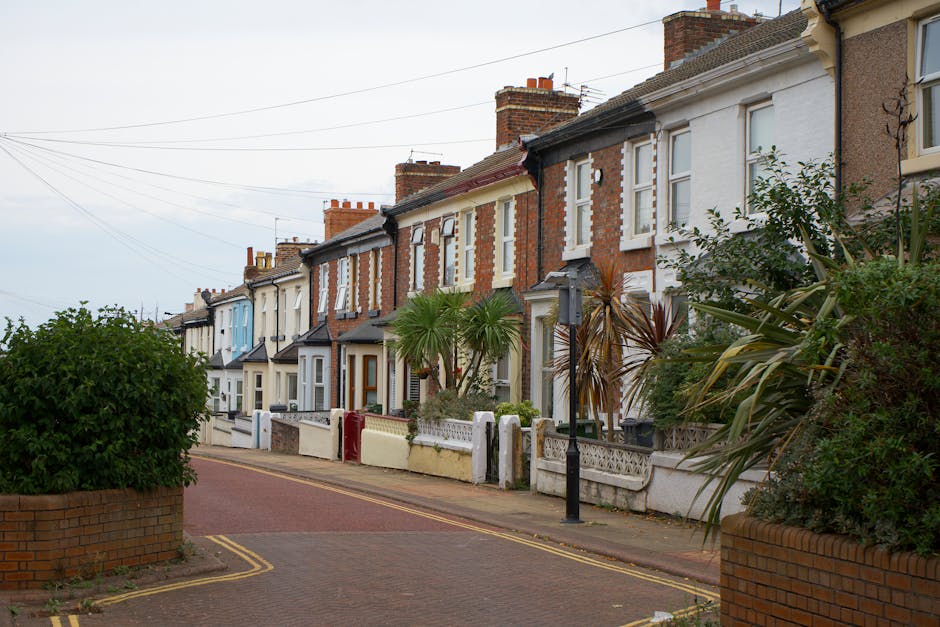
Front gardens are a bit like a handshake. Before anyone reaches the door, they have already formed an opinion. In Southfields, where homes often sit close to the street and every inch of frontage counts, Southfields street front garden solutions by local gardeners can make a real difference to how a property feels, functions, and holds itself together through the seasons. Some gardens need a neat reset. Others need better structure, easier upkeep, or a layout that feels calmer from the pavement. A good local gardener can usually spot the difference pretty quickly.
This guide walks through the practical side of improving a street-facing garden: what works, what tends to go wrong, how the process usually unfolds, and where specialist help earns its keep. If you are trying to decide whether you need a light tidy, a more thoughtful redesign, or ongoing care, you will find a clear, grounded path here. No fluff. Just useful ideas that make sense on an actual London street.
Why Southfields street front garden solutions by local gardeners Matters
A street front garden does several jobs at once. It frames the house, softens hard brick and paving, helps with privacy, and can make a narrow London frontage feel more generous than it really is. In Southfields, that matters even more because many front gardens have to balance appearance with practical things like bins, bikes, foot access, rain runoff, and the simple reality of limited space.
Local gardeners bring an important advantage here: they understand how front gardens behave in the area. They know the sort of spaces that get full sun in one patch and shade by midday in another. They also understand the rhythm of local maintenance. A garden that looks fine in April can become unruly by late June if it has fast-growing hedges, tired soil, or a lawn that never quite settles. Truth be told, front gardens show neglect quickly.
That is why solutions need to be tailored rather than copied from a generic design board. A good result is not just "pretty". It should be easy to maintain, suited to the property, and realistic for your time and budget. If the space is overgrown, a starting point like garden clearance may be the sensible first move before any shaping or planting begins.
One more thing. A front garden often affects how safe and welcoming the property feels. Overgrown shrubs can block sightlines, make paths awkward, and leave doorways feeling hidden. A thoughtful solution fixes that without stripping away charm. That balance is the whole game, really.
How Southfields street front garden solutions by local gardeners Works
Most front garden projects follow a practical sequence, even if the final result looks effortless. Local gardeners usually begin by looking at what the garden is doing now: how much sunlight it gets, where water collects, what plants are surviving, and what part of the layout is causing frustration. They then decide whether the job is mainly maintenance, shaping, planting, or a more complete redesign.
For example, if a front garden is structurally sound but messy, the job may be to trim hedges, define borders, refresh mulch, and reduce the amount of visual clutter. If the garden has become patchy and hard to manage, the answer might involve new hard landscaping, better edging, and more suitable planting choices. If the lawn is struggling because of shade or heavy footfall, then replacing some or all of it can be a better long-term decision than endlessly patching bare areas.
There is also a strong connection between front garden work and the wider condition of the outdoor space. A front garden is often not isolated; it sits alongside paths, side access, boundary lines, and sometimes small paved sections or timber features. That is why services such as landscape gardening and landscaping can be relevant when the project needs a more considered layout rather than simple upkeep.
In practice, the work often includes:
- clearing unwanted growth and fallen debris
- pruning shrubs and shaping hedges
- resetting borders and edges
- improving soil or drainage where needed
- choosing plants that suit the exposure and upkeep level
- refining access, privacy, and the view from the street
The best part? It does not always need to be dramatic. Small, well-judged changes often create the strongest impression.
Key Benefits and Practical Advantages
A well-planned front garden gives you more than a smarter view from the road. It can change how the whole property feels when you come home on a wet evening with shopping bags in hand. Small things matter.
1. Better kerb appeal without overcomplicating the space
Not every front garden needs to become a showpiece. Sometimes the goal is simply to look cared for, tidy, and welcoming. Clean lines, healthy planting, and sensible proportions do most of the work. The eye likes order, especially at street level.
2. Easier maintenance through the year
A common mistake is designing a garden that looks lovely on paper but becomes a burden by August. Local gardeners can recommend shapes and planting that reduce weekly hassle. If mowing is part of the plan, a service like lawn mowing may be enough to keep things under control. If not, low-maintenance planting beds might be the smarter option.
3. Better use of a small footprint
Front gardens in Southfields are often compact. That can actually help, because every decision is visible and every metre counts. A slim border, a well-placed evergreen, or a neat paved edge can make the whole space feel more intentional. It's a bit like arranging a small room: clutter disappears quickly when the layout is right.
4. Improved privacy and screening
Carefully chosen hedging or layered planting can soften views from the street while still keeping the front of the house open and friendly. That balance is tricky. Too open feels exposed; too closed feels defensive. Local gardeners usually know where that line sits.
5. Safer, cleaner access
Front gardens should not trip people up. Overgrown roots, uneven paving, or hedge spill can create awkward access. Regular trimming and maintenance help keep entrances clear. If the issue is the top growth of shrubs or boundary plants, hedge trimming is often one of the most effective fixes.
Expert summary: The strongest street front garden solutions are usually not the most expensive ones. They are the ones that make the space easier to live with, easier to maintain, and better suited to the house as it actually is.
Who This Is For and When It Makes Sense
This kind of work suits a surprisingly wide range of homeowners and landlords. If your front garden is visible from the pavement, it is already doing a public-facing job. Whether you care deeply about presentation or simply want the place to stop looking tired, there is probably a sensible solution available.
You may need this service if:
- the front garden has become overgrown after a busy season or long absence
- the layout feels awkward and wastes usable space
- the lawn is patchy, muddy, or not worth the effort anymore
- hedges or shrubs are blocking windows, paths, or sightlines
- you want a more polished look before selling or letting a property
- you want a low-maintenance design that will not demand constant attention
- you have inherited a garden that looks like it has been "coping" for a while, rather than thriving
It also makes sense if you already know that the front garden is dragging the whole property down visually. Let's face it, one neglected frontage can make an otherwise lovely house seem half asleep. A local gardener can help bring it back to life with a plan that feels realistic rather than overblown.
For more ongoing support, many people pair a one-off refresh with garden maintenance so the garden does not slip back into the same pattern. That is often the calmer, less stressful route.
Step-by-Step Guidance
If you want to tackle a front garden properly, a staged approach usually works best. It keeps the job manageable and helps you avoid wasting money on changes that do not suit the space.
- Assess the garden honestly. Walk outside and look at it from the street, then from the doorway. What is the first thing you notice? What feels neglected, cramped, or unbalanced?
- Define the main goal. Are you aiming for easier upkeep, better appearance, more privacy, or a complete redesign? One garden can do several things, but it helps to choose the lead objective.
- Clear what is not working. Old debris, dead planting, weeds, and excess growth should go first. If the space is heavily cluttered or tired, a clearance phase gives you a clean start.
- Protect the structure. Decide what stays: boundary walls, steps, edging, paving, mature shrubs, or existing trees. Good gardeners will work with the bones of the garden where they can.
- Fix the layout. This is where the practical magic happens. Borders may be narrowed, paths opened up, and focal points created so the eye has somewhere to rest.
- Choose plants for real life. Pick plants that match the light, soil, and level of maintenance you can actually handle. A lovely plant that sulks all year is not a solution.
- Finish with detail. Fresh edging, mulch, pruning, and tidy surfaces make the result feel complete. It is often the last 10% that makes the biggest visual difference.
- Plan the upkeep. Agree how often the garden will need attention. Seasonal checks are usually enough for many front gardens, but some need more regular care.
If larger trees are interfering with light or structure, it may also be sensible to consider tree lopping and removal. That decision needs care, of course, because trees can be a long-term asset when handled properly. Not every tall plant needs to go, despite what a tired hedge might claim on your behalf.
Expert Tips for Better Results
Good front garden work is often about restraint. That sounds slightly dull, but it is true. People sometimes want to pack too much into a small space and end up with a front garden that feels crowded, busy, and oddly smaller than before.
Use repetition carefully
Repeating one or two plant types can create unity. Too many species, especially in a tight urban garden, can make the eye jump around without ever settling. A simple palette often looks more expensive than a fussy one.
Think from the pavement first
Ask what someone sees when they pass by at speed, in poor light, or on a rainy day. That is the real test. A garden that only works in perfect weather is not doing enough.
Prioritise the edge definition
Sharp edges between lawn, path, border, and boundary make a front garden look instantly neater. Even a modest garden benefits from clean lines. If there is one detail to get right, it is this.
Balance evergreen structure with seasonal change
Evergreens keep the space looking grounded through winter, while seasonal planting adds interest. Without evergreen structure, a front garden can disappear for half the year. Without seasonal variation, it may feel flat.
Don't ignore drainage and surface conditions
Wet patches, compacted soil, and poor runoff are more than small annoyances. They shape what will survive and what will fail. If the ground stays soggy, a plant that loves dry soil is just going to sulk, and nobody needs that drama.
For front gardens that also need a hardwearing finish, small construction features can help. Something like decking services may be relevant if the frontage includes a raised seating area, access platform, or durable transition zone. It is not always the first thought, but in the right setting it can be a neat answer.
Common Mistakes to Avoid
The biggest mistakes are usually not technical. They are planning mistakes. And once a front garden has been pushed in the wrong direction, fixing it can take longer than expected.
- Choosing plants only for looks. A beautiful plant that hates the site conditions will become a problem later.
- Allowing hedges to dominate the frontage. Hedges can create privacy, but unchecked growth quickly makes a home feel boxed in.
- Ignoring maintenance needs. If you do not want weekly work, do not design a weekly-work garden.
- Mixing too many styles. A front garden that tries to be cottage, modern, Mediterranean, and tropical at once can end up confused.
- Leaving the entrance too crowded. The approach to the front door should feel open and straightforward.
- Skipping the cleanup phase. You cannot judge a layout properly when the space is still full of old debris and tired growth.
A slightly less obvious mistake is overcorrecting. Some people clear everything back and then panic because the garden looks bare. That is normal for a day or two. The structure often appears after the planting and edging go in. Patience helps.
Tools, Resources and Recommendations
For most front garden projects, you do not need a massive kit. What you do need is the right set of tools for a clean finish and safe handling. Local gardeners will usually work with a mix of hand tools and powered equipment depending on the site.
Useful tools often include:
- secateurs for neat pruning
- hedge trimmers for shaping and height control
- spades and forks for border work and soil improvement
- rakes and leaf collectors for surface clean-up
- lawn equipment for edging and cutting
- protective gloves and eye protection
For homeowners, the bigger recommendation is to keep expectations realistic. A front garden does not need every trend going. It needs a stable structure, plants that will survive, and a maintenance rhythm you can actually keep. That is the boring answer, but it is usually the right one.
If you want to understand the wider range of options before deciding, browsing a provider's services overview can help you see how clearance, maintenance, landscaping, and trimming fit together. And if you want to check how a business handles costs and estimates, pricing and quotes is the sensible place to start. No mystery, no guessing.
Law, Compliance, Standards, or Best Practice
Front garden work is usually straightforward, but there are still sensible standards to follow. The main thing is to avoid damaging neighbouring property, blocking access, or creating hazards on the pavement. In a residential London setting, that common-sense approach matters as much as any formal rule.
If a project involves trees, deep pruning, or work near boundaries, extra care is needed. Best practice is to assess what is safe to cut, what should be left alone, and whether the job requires a more specialist approach. That is especially true for mature trees and anything close to walls, fences, or services.
Professional gardeners should also take safety seriously on site. Good practice includes clear working methods, careful disposal of green waste, and attention to tools, lifting, and access. You can check how a company approaches this through its health and safety policy and insurance and safety information. That may sound a bit formal, but it matters more than people think.
Sustainability is another area worth considering. Reusing healthy plant material, composting where appropriate, and disposing of waste responsibly all help reduce avoidable impact. A provider's recycling and sustainability approach can be a useful sign of how carefully they work.
Finally, if you are ever unsure about a boundary, access issue, or shared front space, it is best to slow down and clarify before work begins. A tidy garden is great. A tidy arrangement with the neighbours is better.
Options, Methods, or Comparison Table
Different front gardens need different levels of intervention. Here is a simple comparison to help you think through the choice.
| Approach | Best for | Typical strengths | Possible downsides |
|---|---|---|---|
| Light tidy and maintenance | Gardens that are mostly healthy but untidy | Fast, affordable, keeps the current layout | Will not fix a poor design |
| Selective pruning and reshaping | Gardens with good structure but weak form | Improves balance and visibility | May need regular follow-up |
| Clearance and reset | Overgrown or neglected front gardens | Creates a clean slate for better planning | Can look bare before replanting is done |
| Full landscaping redesign | Spaces with serious layout or access issues | Best for long-term improvement and cohesion | More involved, usually takes longer |
In many cases, the most practical route is a mix. A garden might need a clear-out first, then pruning, then a few landscape changes, then a maintenance plan to hold it all together. That layered approach tends to age well.
Case Study or Real-World Example
Imagine a modest Southfields front garden with a narrow path, a tired strip of lawn, one overgrown shrub by the window, and a hedge that has started to lean into the frontage. From the street, it looks a bit heavy and cramped. Not disastrous. Just neglected enough to drag the whole house down a notch.
A local gardener would usually start by clearing dead material, checking the health of the existing plants, and deciding what should stay. The hedge might be reduced to a sensible height, the shrub line cleaned up, and the lawn assessed honestly. If the grass is thin and shaded, keeping it might not be the best use of space. Replacing part of it with structured planting or low-maintenance ground cover can make more sense.
Next comes the shape. Borders are defined, the path is opened visually, and the front area is made to feel lighter. A few evergreen plants give year-round structure. A fresh mulch finish helps the space look deliberate rather than newly disturbed. By the end, the garden still feels like itself, only calmer and easier to live with.
The lovely part is that the change is often felt before it is fully analysed. You step outside and the place just breathes a bit better. Less clutter. More welcome. Simple as that.
Practical Checklist
Use this before you book work or start making changes.
- Have you looked at the garden from both the street and the front door?
- Do you know whether you need maintenance, clearance, redesign, or a mix?
- Are there any plants, trees, or boundary features you want to keep?
- Is the entrance clear and safe to use?
- Does the layout still suit your daily routine?
- Are the plants suited to the light and soil conditions?
- Do you want low maintenance or a more decorative result?
- Have you thought about what happens in winter as well as summer?
- Will the finished garden be easy to keep tidy?
- Do you know who will maintain it after the initial work?
If the answer to a few of those questions is "not really", that is fine. It just means the design conversation needs a little more care before the first cut is made.
Conclusion
Southfields street front garden solutions by local gardeners are about much more than a quick tidy-up. Done well, they improve kerb appeal, make daily life easier, and create a front space that feels balanced rather than overworked. The best results usually come from clear goals, realistic planting choices, and a design that respects how the garden will be used all year round.
Whether you need a small refresh, a serious reset, or ongoing care, a local gardener can help you make sense of the space and avoid expensive guesswork. That is the real value here: practical judgement, not just hands-on labour. And in a compact front garden, good judgement goes a long way.
Get a free quote today and see how much you can save.
If you are ready to take the next step, the simplest move is to speak with a trusted local team, compare the options calmly, and choose the approach that fits your house and your routine. A front garden does not need to shout. It just needs to feel right. That quiet bit of confidence changes everything.
Frequently Asked Questions
What are Southfields street front garden solutions by local gardeners?
They are practical services and planning approaches designed to improve a front garden that faces the street. That can include clearance, trimming, lawn care, landscaping, planting, edging, and ongoing maintenance. The goal is usually to make the space neater, easier to manage, and better suited to the property.
Do I need a full redesign, or just maintenance?
If the garden already has a good layout and healthy planting, maintenance may be enough. If the space feels cramped, unbalanced, or hard to use, a redesign may be better. A local gardener can usually tell quite quickly which route makes sense after a site visit.
How often should a front garden be maintained?
That depends on the planting and the season. Some front gardens need attention every few weeks in the growing season, while others only need periodic shaping and tidy-ups. A more structured, low-maintenance design can reduce the workload significantly.
What if my front garden is overgrown?
Start with clearance and pruning before you think about design changes. Overgrown gardens often hide their real potential until the excess growth is removed. Once that is done, it becomes much easier to decide what should be kept, cut back, or replaced.
Can a small front garden still look impressive?
Absolutely. Small front gardens often look better than large ones when they are well proportioned. Clean edges, a simple planting palette, and a tidy entrance can make a very strong impression. Small does not mean boring.
Are low-maintenance front gardens possible in Southfields?
Yes, and they are often the smartest option for busy households. The trick is choosing durable planting, clear boundaries, and a layout that does not depend on constant attention. Low-maintenance does not have to mean plain.
What should I do about a hedge that is blocking light?
In many cases, trimming or reshaping the hedge is the first step. If it has become too dominant, reducing its size may improve both light and the appearance of the frontage. If it is very large or affecting structures, more specialist advice may be needed.
Will front garden work improve kerb appeal for selling a house?
It often can, because first impressions happen before anyone opens the door. A clean, balanced, and well-kept frontage helps a property feel looked after. Buyers notice that. They really do.
How do I choose plants for a street-facing garden?
Choose plants that match the garden's light levels, soil, and maintenance needs. In many front gardens, a mix of evergreen structure and seasonal interest works well. Avoid planting only for short-term looks if the conditions are not right.
Is landscaping worth it for a front garden?
If the space has layout problems, drainage issues, or weak visual structure, yes, landscaping can be worth it. It allows the garden to be rethought properly rather than patched up. For purely tidy gardens, smaller maintenance work may be enough.
How do I know if a gardener is the right fit?
Look for clear communication, practical suggestions, and an approach that fits your space rather than pushing a one-size-fits-all solution. It also helps if they can explain their methods simply and talk through maintenance honestly. A good fit usually feels straightforward from the start.
What happens after the first visit or quote?
Usually the gardener will assess the site, discuss your goals, and suggest the most appropriate work. If you are happy with the plan, they can then schedule the job and agree on any ongoing maintenance. The best process feels calm and clear, not rushed.
For more about the team behind the service, you can also review the company's about us page or use the contact us page if you are ready to ask a question. If you want to understand the working terms in advance, the terms and conditions and privacy policy are available too. Small details, but useful ones.