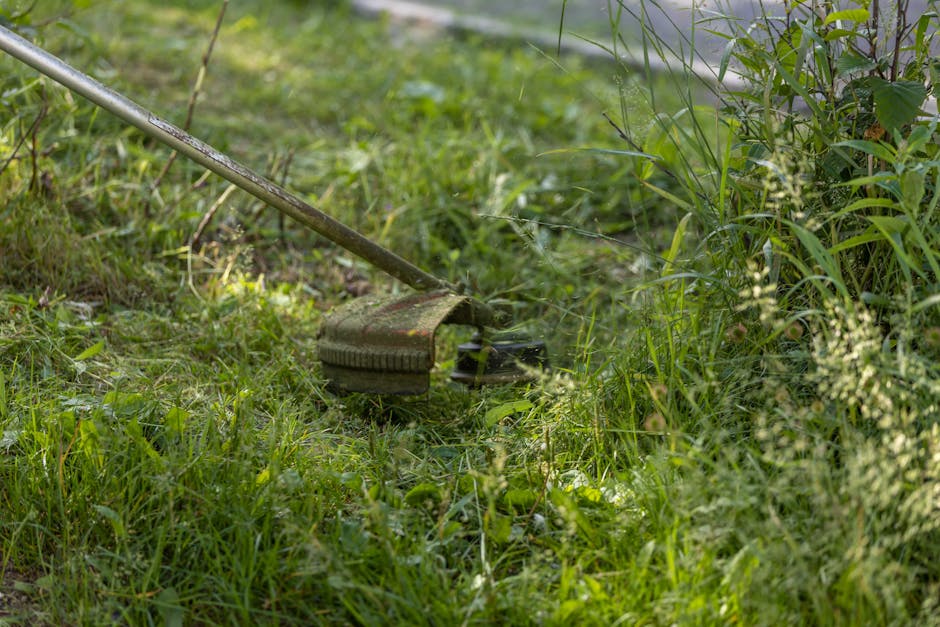
Wimbledon Common garden maintenance guide for gardeners
If you garden anywhere around Wimbledon Common, you already know the pattern: one week it feels lush and settled, the next it is all wind, shade, damp patches, and a sudden burst of growth in the wrong places. This Wimbledon Common garden maintenance guide for gardeners is designed to help you stay ahead of that rhythm. Whether you manage a neat courtyard, a family garden, or a larger boundary-heavy plot, the right maintenance routine makes everything easier, healthier, and far less stressful.
Let's face it, garden upkeep is rarely about one big tidy-up. It is the small, regular jobs that keep things under control. In a local area like Wimbledon Common, that means paying attention to moisture, shade, leaf fall, lawn pressure, hedges, drainage, and the way weather changes the pace of growth. Below, you will find practical, grounded advice you can actually use, plus a few decisions that matter if you are weighing up professional help versus doing it yourself.
Table of Contents
- Why Wimbledon Common garden maintenance guide for gardeners Matters
- How Wimbledon Common garden maintenance guide for gardeners Works
- Key Benefits and Practical Advantages
- Who This Is For and When It Makes Sense
- Step-by-Step Guidance
- Expert Tips for Better Results
- Common Mistakes to Avoid
- Tools, Resources and Recommendations
- Law, Compliance, Standards, or Best Practice
- Options, Methods, or Comparison Table
- Case Study or Real-World Example
- Practical Checklist
- Conclusion
- Frequently Asked Questions
Why Wimbledon Common garden maintenance guide for gardeners Matters
Garden maintenance around Wimbledon Common is not just about keeping a place looking tidy for Saturday afternoon. It is about preserving plant health, reducing avoidable damage, and making a garden easier to live with through the year. In this part of London, gardens often face a mix of semi-shade, mature trees, compacted soil, and fluctuating moisture. That combination can be wonderful for planting, but it can also be a bit awkward if your routine is too casual.
One of the biggest reasons maintenance matters here is that gardens can change quickly. A hedge that looked fine in early spring can become leggy by midsummer. A lawn can turn patchy after a wet spell followed by heavy use. Borders can get crowded, then suddenly weedy. If you wait too long, what should have been routine maintenance becomes a corrective job, and those are always more expensive in time and effort.
There is also a practical side. Good maintenance improves access, keeps paths safer, and helps you spot problems early, before they snowball. A small area of rot on timber, a blocked drain, or a stressed tree limb is far easier to deal with when noticed during ordinary upkeep. That kind of quiet prevention is the real value here. Nothing glamorous. Just sensible gardening, done consistently.
If you are thinking about a broader service package, it can help to look at a trusted garden maintenance service alongside more specific options such as lawn mowing or hedge trimming. The right mix depends on the garden, not on a generic checklist.
How Wimbledon Common garden maintenance guide for gardeners Works
The basic principle is simple: break the garden into manageable jobs, then match those jobs to the season and the condition of the site. Around Wimbledon Common, that usually means more attention to water control, shade management, leaf build-up, and growth that can be surprisingly vigorous after mild weather. Some gardens here need weekly touch-ups. Others can run on a fortnightly or monthly rhythm, with heavier seasonal visits.
A good maintenance routine typically covers five moving parts:
- Plant care - pruning, deadheading, feeding, staking, and disease checks.
- Turf care - mowing, edging, aeration, scarifying, and repair.
- Hedge and shrub control - shaping, reduction, and boundary management.
- Clearance and tidying - leaf collection, waste removal, and access clearing.
- Condition checks - noticing drainage issues, pest pressure, and damaged timber or structures.
That is the day-to-day reality. It is not especially dramatic, but it works. You will notice the difference most on those awkward in-between days when the garden has not quite become a problem yet. That is exactly when maintenance pays off.
For some properties, maintenance also links naturally with broader improvements. If a garden has become cluttered or difficult to manage, a one-off reset may be needed before routine care can begin again. In that case, garden clearance can be the sensible starting point, followed by a calmer maintenance plan. If the outdoor layout itself no longer suits the space, then landscape gardening or more general landscaping may be worth considering.
Key Benefits and Practical Advantages
Good maintenance delivers more than a nice-looking garden, although that is obviously part of it. The real advantages show up in how the space performs.
- Healthier plants - regular pruning, watering, and feed timing reduce stress and encourage balanced growth.
- Less emergency work - you avoid the messy, rushed clean-up that follows months of neglect.
- Better seasonal control - a garden stays responsive to changing weather instead of being caught out by it.
- Improved curb appeal - useful if you care about the impression your home makes, or you simply enjoy a clean finish.
- More usable space - paths, seating areas, and borders stay accessible rather than being swallowed by growth.
- Safer outdoor conditions - fewer slippery leaves, lower trip hazards, and easier visibility around boundaries.
There is a quieter benefit too: a maintained garden feels easier to enjoy. You do not spend half the weekend thinking about what needs cutting back. The place just works. That matters more than people admit.
Expert summary: Around Wimbledon Common, the best maintenance plans are rarely the most elaborate ones. They are the ones that stay regular, respond to the weather, and give problem areas attention before they become obvious.
Who This Is For and When It Makes Sense
This guide is for gardeners, property owners, and anyone responsible for keeping an outdoor space tidy and healthy around Wimbledon Common. It is especially useful if your garden has mature planting, shaded sections, hedges, turf that needs close attention, or a layout that becomes messy quickly after rain and leaf fall.
It also makes sense if you are:
- managing a garden you do not have time to visit every day;
- trying to keep a rental or shared property presentable;
- recovering a garden after a busy season or a period of neglect;
- preparing the space for spring growth, summer use, or winter protection;
- comparing a few different maintenance approaches before booking help.
If the garden is already at the point where hand-pruning and a quick mow are not enough, then a more structured service can save time. A lot of people discover this after one wet autumn too many. The lawn goes soft, the borders get crowded, and suddenly the whole place feels like a Saturday project you did not agree to.
If you want to understand what a broader service can include, it is worth reviewing the page on services overview and, where needed, specific support such as tree lopping and removal for larger or riskier woody growth. Use judgment here. Not every overgrown tree needs removal, of course, but some situations are better handled with proper equipment and experience.
Step-by-Step Guidance
Here is a practical way to maintain a garden around Wimbledon Common without turning the job into a never-ending cycle.
1. Walk the garden properly
Start with a slow visual check. Look for overgrown edges, yellowing grass, broken stems, blocked drainage, empty patches, dead material, and anything leaning, sagging, or rubbing where it should not be. The trick is to notice the small stuff first. It is never glamorous, but it saves work later.
2. Prioritise safety and access
Before any cutting begins, make sure paths, gates, and working areas are clear. Move pots, toys, tools, and anything that could get in the way. If there is unstable timber, slippery moss, or an awkward branch overhanging a path, deal with that early. This is where simple, sensible habits beat enthusiasm every time.
3. Tackle the lawn
Mow at the right height for the season and the grass condition. Do not scalp the lawn just because it looks a bit wild; that often creates more stress than benefit. If the lawn is wet, soft, or patchy, wait for better conditions if you can. Edging after mowing gives the whole space a much cleaner finish, and honestly, it is one of those small jobs that makes the whole garden look cared for.
4. Cut back hedges and shrubs carefully
Hedges are easy to overdo. Trim them regularly enough to maintain shape, but avoid taking off too much at once unless they need a proper reduction. If the hedge is part of a boundary or privacy screen, keep the work measured. A neat line is good; a shocked hedge that looks thin for months is not.
5. Refresh borders and remove dead growth
Deadheading flowers, removing spent stems, and clearing dead leaves helps borders breathe. This also makes new growth more visible, so you can see what needs staking or splitting. In mixed borders, a little restraint helps. You do not want to strip everything back so far that the garden loses texture.
6. Deal with waste immediately
Bag up cuttings, branches, and leaf litter as you go. If you leave it all in piles, the whole job starts to feel heavier than it is. It also invites pests and creates a damp, untidy look. For larger clear-outs, pairing routine care with recycling and sustainability minded disposal is the sensible approach.
7. Finish with a final inspection
Step back and check the garden from the usual viewing points: the back door, the patio, the window, the path. Does anything still stick out? Did you miss a drain cover, a hedge edge, or a patch that needs watering? This last pass catches the details that make the work feel finished.
Expert Tips for Better Results
Small adjustments make a big difference. In our experience, the best-maintained gardens are rarely the ones with the fanciest plants. They are the ones where the routine is steady and the gardener notices what the garden is trying to say.
- Trim little and often rather than waiting for a huge growth flush.
- Watch the weather; after a damp spell, mowing and pruning decisions can change fast.
- Keep tools sharp so cuts are cleaner and plants recover more easily.
- Use mulch where appropriate to help retain moisture and suppress weeds.
- Leave some structure in winter so the garden does not become bare and lifeless.
- Separate tidy-up from renovation; they are different jobs, and mixing them can make both worse.
One simple tip many people overlook: work from the outside in. Start with access, then boundaries, then lawn and beds. It sounds obvious, but when you are standing in the middle of a half-managed garden with clippings on your boots, obvious is a useful thing.
If a garden is more than you can sensibly handle yourself, combine regular maintenance with the right specialist service. For example, a garden with dense edges might need hedges shaped professionally, while a tired lawn may benefit from a more focused approach through lawn mowing support or wider maintenance planning. Keep it practical. That is the real trick.
Common Mistakes to Avoid
Most garden problems do not begin with a dramatic event. They begin with one small bad habit repeated a few times. Very human, really.
- Overcutting hedges or shrubs and leaving them stressed or patchy.
- Mowing too short, especially in dry or weak grass conditions.
- Ignoring drainage issues until waterlogging becomes a regular nuisance.
- Letting leaf litter build up around patios, beds, and drains.
- Forgetting seasonal timing for pruning, feeding, and protective work.
- Using the wrong tool for the job, which is how a quick tidy-up turns into a slightly regrettable afternoon.
- Trying to do everything at once and burning out halfway through.
Another common mistake is treating all parts of the garden as if they need the same frequency of attention. They do not. A sunny front border, a damp shaded corner, and a clipped hedge each behave differently. If you garden around Wimbledon Common, you will notice that variation quite quickly.
Tools, Resources and Recommendations
You do not need a shed full of specialist kit to keep a garden in good order, but a few basics make the job much easier.
| Tool or resource | What it helps with | Practical note |
|---|---|---|
| Hand shears and secateurs | Hedges, shrubs, deadheading, detail work | Best for careful control and cleaner cuts |
| Lawn mower | Regular grass maintenance | Choose a cutting height that suits the season |
| Rake and leaf collector | Leaf fall and general tidying | Very useful in shaded gardens and autumn |
| Pruning saw | Thicker woody stems and awkward cuts | Keep it for suitable material; do not force it |
| Green waste bags or bins | Waste control and clean-up | Reduces mess and keeps the site workable |
| Routine maintenance plan | Consistency across the year | Arguably the most useful tool of all |
For a professionally managed service, it is worth looking at the page on pricing and quotes so you can understand how larger or recurring jobs may be approached. If you are comparing service levels, the guidance on about us can also help you judge the kind of team you want on your property.
If you are not sure whether you need a one-off tidy, a regular maintenance schedule, or a broader rework, start by listing the jobs you never quite get to. That list tells you a lot. A surprisingly honest list, too.
Law, Compliance, Standards, or Best Practice
Garden maintenance in the UK is usually straightforward, but there are still sensible standards to keep in mind. If work affects trees, boundary structures, shared access, or the movement of waste, it is wise to proceed carefully and within normal best practice. Where a tree is large, awkward, or close to structures, specialist handling is often safer than an improvised attempt.
From a practical standpoint, good maintenance should also respect neighbourly considerations. Hedges overhanging boundaries, noisy work at awkward hours, and waste left in shared areas can all create friction. Not a legal thriller, just everyday courtesy - but it matters.
Health and safety is another useful lens. Sharp tools, ladders, wet surfaces, and heavy lifting all deserve proper attention. If you are using a contractor, it is reasonable to expect professional working methods and suitable care around the site. A transparent approach to safety and insurance is always reassuring, so pages like health and safety policy and insurance and safety are worth reviewing before you book anything substantial.
Waste handling matters too. Green waste should be managed responsibly, and disposal choices should not create avoidable problems later. In a tidy garden, the finish is not just what you can see; it is also what has been removed properly, not dumped somewhere awkward.
Options, Methods, or Comparison Table
Different gardens call for different levels of input. The right method depends on time, budget, plant density, and how fast the garden grows back after work is done.
| Approach | Best for | Pros | Trade-offs |
|---|---|---|---|
| DIY routine upkeep | Small to medium gardens with manageable growth | Flexible, lower cost, hands-on control | Easy to let slip when life gets busy |
| One-off professional reset | Overgrown or neglected gardens | Fast visual improvement, clears backlog | Does not solve ongoing upkeep by itself |
| Regular maintenance visits | Gardens that need consistency | Best for long-term condition and presentation | Requires commitment and planning |
| Combined maintenance and landscaping support | Gardens needing both care and redesign | Balances function and appearance | Higher initial investment, but often worthwhile |
For many Wimbledon Common properties, regular maintenance is the sweet spot. It keeps the place under control without letting jobs pile up. If the layout itself is part of the problem, then a maintenance-only mindset may not be enough and wider landscaping support can be the smarter choice.
Case Study or Real-World Example
Here is a simple real-world scenario. Imagine a family garden near Wimbledon Common with a lawn, mixed borders, a side hedge, and a few mature shrubs at the back. In spring, the garden looks fine for a few weeks. Then the grass thickens, the hedge pushes outward, the borders fill with spent growth, and the path starts catching leaf litter and soil.
Instead of waiting for a full-blown overhaul, the gardener sets a routine: mow and edge weekly or fortnightly, trim the hedge lightly before it gets too broad, clear fallen material each visit, and inspect the back corner for poor drainage after rain. Nothing dramatic. Just consistent care.
By late summer, the difference is obvious. The lawn stays usable. The borders look intentional rather than chaotic. The hedge keeps its shape. And the gardener is not spending every spare moment trying to catch up. That is the part people tend to forget: maintenance is not only about appearance, it is about reducing friction in daily life.
If the same garden had been left untouched, the fix would likely have started with a garden clearance visit, followed by a longer recovery period. Sometimes that is necessary. But if you can stay ahead of the work, the whole experience is much easier on everyone.
Practical Checklist
Use this quick checklist to keep your Wimbledon Common garden maintenance on track.
- Walk the garden before starting any work.
- Check for safety hazards, blocked paths, and fragile areas.
- Mow the lawn at a sensible height for the season.
- Trim hedges and shrubs lightly unless a bigger reduction is truly needed.
- Remove dead leaves, fallen branches, and spent plant material.
- Water only where and when it is genuinely needed.
- Inspect drains, edges, timber, and high-risk areas.
- Bag or remove waste as you go.
- Step back and review the overall finish.
- Book help early if the task is getting beyond routine upkeep.
Quick reminder: the best maintenance plan is the one you can repeat. Not the fanciest one. The repeatable one.
Conclusion
A good Wimbledon Common garden maintenance guide for gardeners is really a guide to staying calm, organised, and realistic. Gardens in this part of London can be beautiful, but they ask for regular attention and a slightly more observant eye. If you keep on top of the basics, your outdoor space becomes easier to manage, better to use, and far less likely to throw up expensive surprises.
Whether you are handling the work yourself or comparing professional options, the goal is the same: keep the garden healthy, tidy, safe, and enjoyable through the seasons. A little consistency goes a long way. Truth be told, it usually goes a lot further than people expect.
If you are ready to make the next step simpler, explore the available service information and decide what level of support suits your garden best. You do not need to solve everything in one go.
Get a free quote today and see how much you can save.
Frequently Asked Questions
How often should a garden near Wimbledon Common be maintained?
For many gardens, a fortnightly or monthly routine works well, with extra visits in spring and early summer when growth speeds up. Lawns and hedges often need closer attention than borders.
What makes Wimbledon Common gardens different from other London gardens?
They often deal with shade, mature trees, damp patches, and uneven growth patterns. That means leaf clearance, drainage checks, and selective pruning are especially important.
Is lawn mowing enough for basic garden upkeep?
No, not by itself. Mowing helps the garden look tidy, but good maintenance also includes edging, hedge care, weed control, waste removal, and seasonal checks.
When should I book professional garden maintenance instead of doing it myself?
If the garden is too large, has become overgrown, or contains trees and hedges that are awkward to manage safely, professional maintenance is often the better option.
What is the difference between garden maintenance and garden clearance?
Garden maintenance is ongoing care. Garden clearance is a bigger clean-up job, usually used when the space has become cluttered, neglected, or difficult to manage.
Can regular maintenance improve a neglected garden quickly?
Yes, but the speed depends on how far gone the garden is. Some spaces only need a tidy and reset, while others need staged work over several visits.
Do hedges in Wimbledon Common gardens need specialist trimming?
Sometimes, yes. Small hedges can usually be managed routinely, but larger or boundary-critical hedges may need more careful shaping to keep them healthy and neat.
What should I do about leaf build-up under mature trees?
Clear it regularly, especially in damp weather. Leaf piles can block drainage, make paths slippery, and create a messy, heavy look very quickly.
How do I know if a tree needs more than simple pruning?
If a tree is large, unstable, very close to a building, or visibly damaged, it may need professional assessment rather than routine pruning. Safety should come first.
What kind of maintenance is best for a garden that changes a lot with the seasons?
A flexible plan works best. Focus on lawn care, hedge trimming, leaf clearance, and border tidying in line with the weather and plant growth rather than on a fixed one-size-fits-all schedule.
Are there any safety concerns with DIY garden maintenance?
Yes. Wet grass, ladders, tools, and heavy cuttings can all cause issues if handled carelessly. Take your time, use the right equipment, and avoid jobs that feel unsafe.
How do I choose between maintenance, landscaping, and a full garden refresh?
If the garden is basically sound but untidy, maintenance is enough. If the layout is awkward or no longer fits your needs, landscaping may be more appropriate. If everything is overgrown, clearance first may be the best starting point.
When you keep a garden in steady shape, it starts giving something back. Not just colour or structure, but a bit of calm. And honestly, that is no small thing.